Roger Ebert, Raging Bull, and One of the Greatest Moments of Movie-going Life
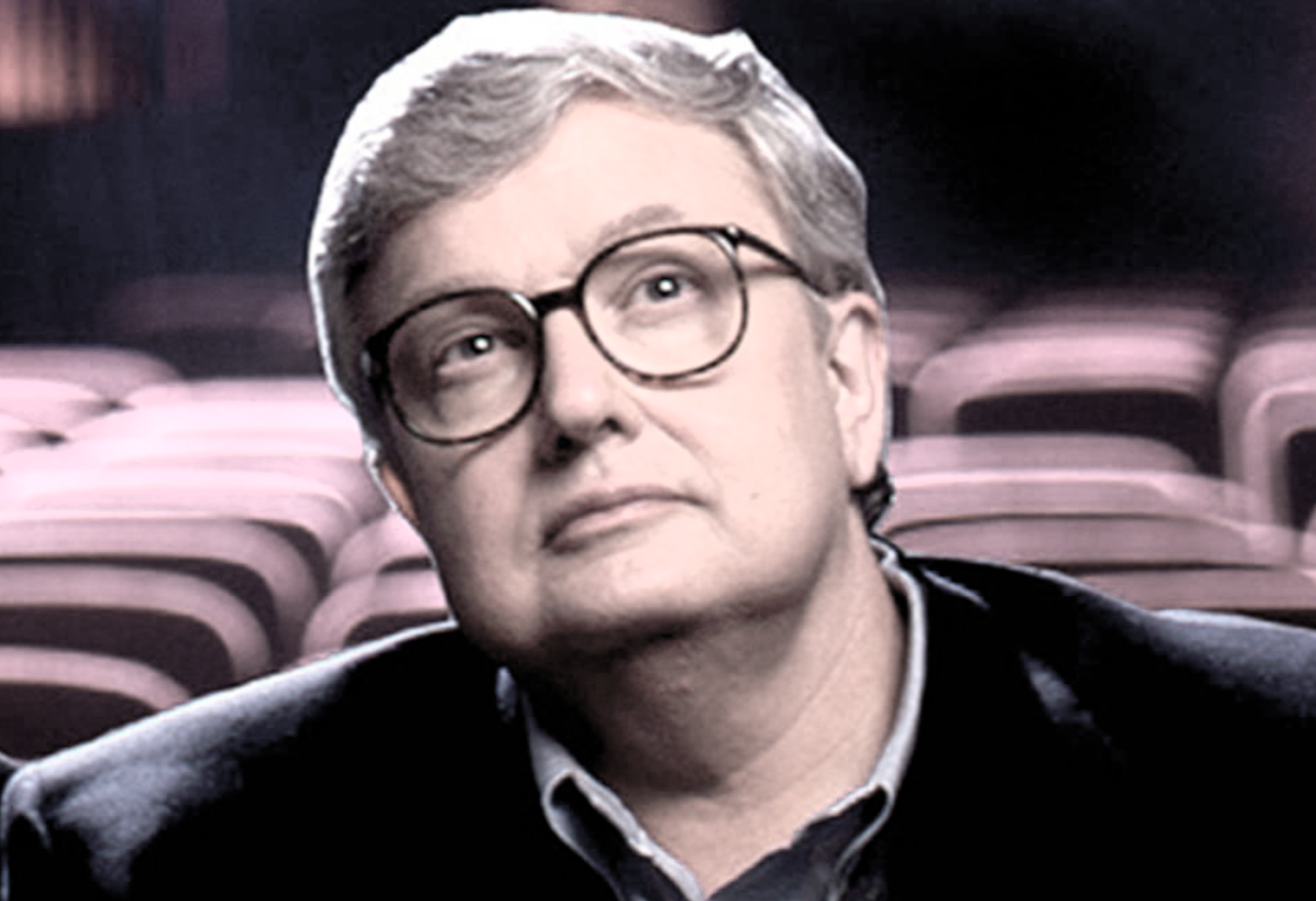
As my short film Traitor screens at the Burbank International Film Festival this week, I find myself thinking about someone I never actually met.
Roger Ebert.
Well… that’s not entirely true.
I never shook his hand. Never introduced myself. Never got to thank him.
But once, for a couple of unforgettable hours, I got to sit in the same room with him. And it remains one of the greatest cinema experiences of my life.
I grew up watching Siskel & Ebert every Sunday night on PBS in the Baltimore suburbs. Long before I ever imagined directing films, those two critics taught me that movies were worth talking about—that cinema wasn’t just entertainment, but art worthy of serious conversation. Whether it was a “popcorn picture” or a serious drama, to them, it was all cinema.
When I was making my wonderfully awful backyard action movies in high school—my original film school (I even made a sequel to Cliffhanger)—I owned several of Roger’s giant collections of film reviews. I read them constantly. Whether I agreed with him or not, I learned from him. He didn’t just tell you whether a movie was good or bad; he explained why. He taught me to think more deeply about storytelling, acting, cinematography, editing, music, and what a film was really trying to say.
Did the film accomplish what its filmmakers set out to do?
And would you enjoy it?
I was heartbroken when Gene Siskel died in 1999. Roger’s eulogy for his longtime friend and rival remains one of the most moving tributes I’ve ever read. Their disagreements were legendary, but so was their respect for one another. It was a reminder that two people can passionately disagree and still genuinely care for each other.
That was Roger.
Even when I disagreed with his opinions—about films, politics, or anything else—I never found him disagreeable. He called, "balls and strikes, with integrity. He never seemed interested in being clever simply for the sake of being clever. He loved cinema too much for that. More than anything, he was one of its greatest champions.
Years later, when cancer robbed him of his ability to speak, it never robbed him of his voice.
Watching Roger and his wonderful wife, Chaz, during his appearances after his surgeries was deeply moving—especially his conversation with his old friend Oprah Winfrey. His physical voice may have left him, but his curiosity, compassion, humor, and love of movies remained completely intact.
If you haven’t seen Life Itself, I can’t recommend it highly enough. It’s funny, heartbreaking, brutally honest, and ultimately inspiring. You see his frustration. His pain. His vulnerability. Yet through it all, he kept fighting.
And he fought well.
On April 4, 2013, Roger left this Earth.
But he’ll never leave this world.
But I keep coming back to the one time I got to watch a movie with him.
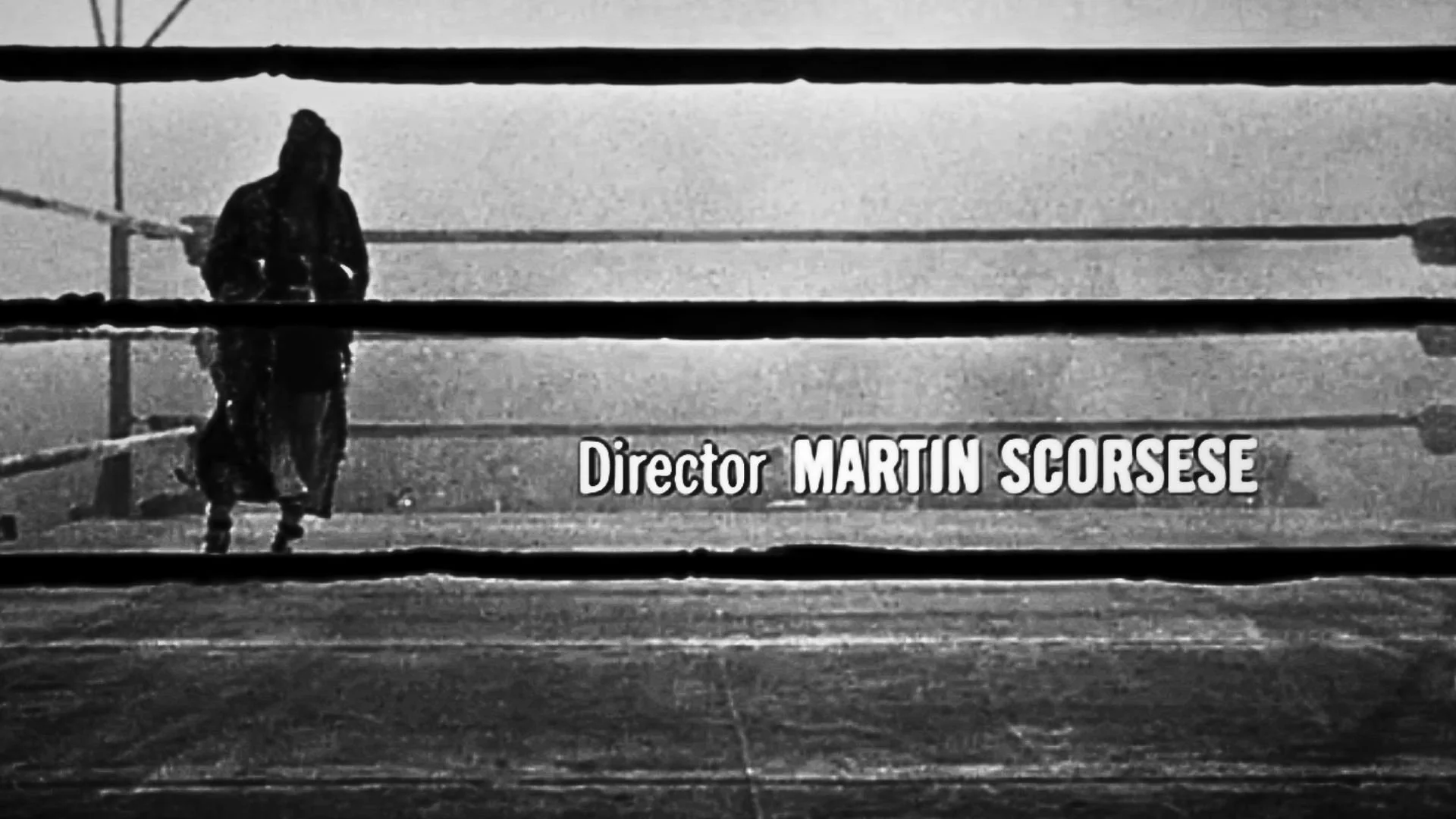
It was May of 1998, near the end of my sophomore year at the University of Pennsylvania. I had just accepted a job with Movies Unlimited, a video wholesaler, when I heard Roger Ebert was coming to campus to introduce a brand-new 35mm print of Martin Scorsese’s Raging Bull.
I had never seen it.
Before the screening, Roger gave a talk and answered questions from students. One exchange has stayed with me ever since.
Someone asked what he loved about black-and-white cinematography.
His answer was simple.
“It’s like a dream.”
I’ve never forgotten that.
I don’t want every film I ever make to be in black and white. Color is an extraordinary storytelling tool. But Roger’s answer changed the way I think about monochrome forever.
Black and white isn’t “old.”
It isn’t a limitation.
It’s another language.
Another emotional palette.
Another dream.
Then something happened that, looking back, feels so perfectly Roger Ebert.
The Q&A ended.
The lights went down.
And he stayed.
He watched Raging Bull with us.
The entire film.
He didn’t rush off to another engagement. He didn’t disappear backstage. He simply sat in the theater because… why wouldn’t he?
There was no better place for Roger than in a dark room watching a great movie with other people who loved movies.
That image has stayed with me ever since: Roger Ebert, arms folded, completely absorbed, watching one of Scorsese’s greatest films alongside the rest of us.
As I get ready to screen Traitor this week, I find myself thinking about that afternoon at Penn. I wish I’d introduced myself. I wish I’d thanked him. I wish I’d had the chance to shake his hand and tell him how much he meant to one aspiring filmmaker from Baltimore.
I never got that chance.
But I hope that every film I make carries forward a little of what Roger spent his life celebrating: empathy, curiosity, honesty, and an unwavering belief that movies matter.
I miss you, Roger.
Thank you for helping teach me how to watch films.
And, in your own way…how to make them.
I promise you this, Roger:
As long as I’m on this Earth, I’ll never stop trying to make movies.
One last thing.
As I write these words, I’m listening to Roger’s audio commentary for Casablanca. Over the years, I’ve listened to him guide me through Citizen Kane, Dark City, Casablanca, and several others.
So maybe I was wrong.
Maybe I didn’t get to be in a room with Roger just once.
Every time I press “Play” on one of those commentaries, I get to spend another couple of hours with an old friend I never had the privilege of meeting.
And somehow…
that’s enough.
I hope, wherever you are, you’d have enjoyed Traitor.